Beauty Device MOQ, Explained
Where minimum order quantities come from, what is normal by route, and how to negotiate a lower one without paying for it somewhere else.
November 3, 2026 · 5 min read
Why an MOQ exists at all
A minimum order quantity is not a negotiating position. It is the point at which an order stops losing money for the factory. Four separate costs set it, and each one has its own floor:
| Cost | What sets the floor |
|---|---|
| Component purchase | Suppliers upstream sell in reels, trays and full cartons. A motor, a speaker, a display, a special connector — each has its own reel quantity |
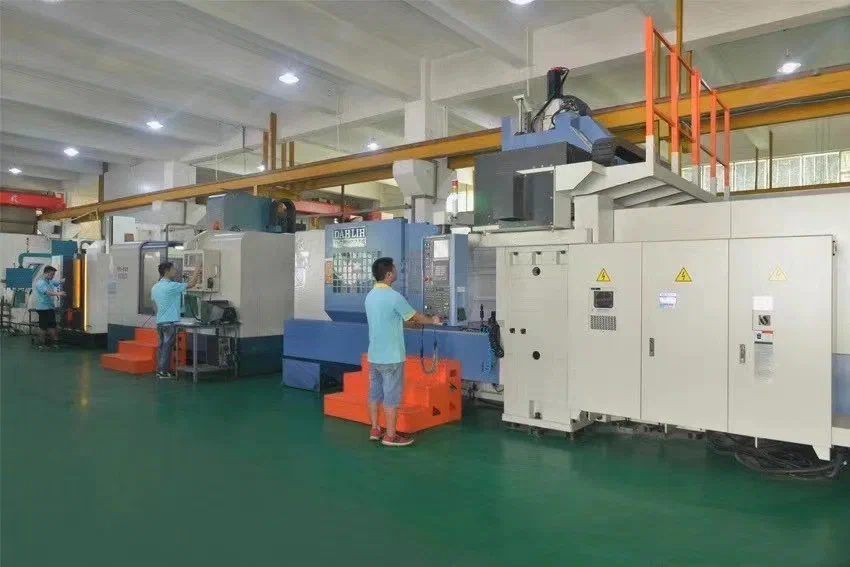
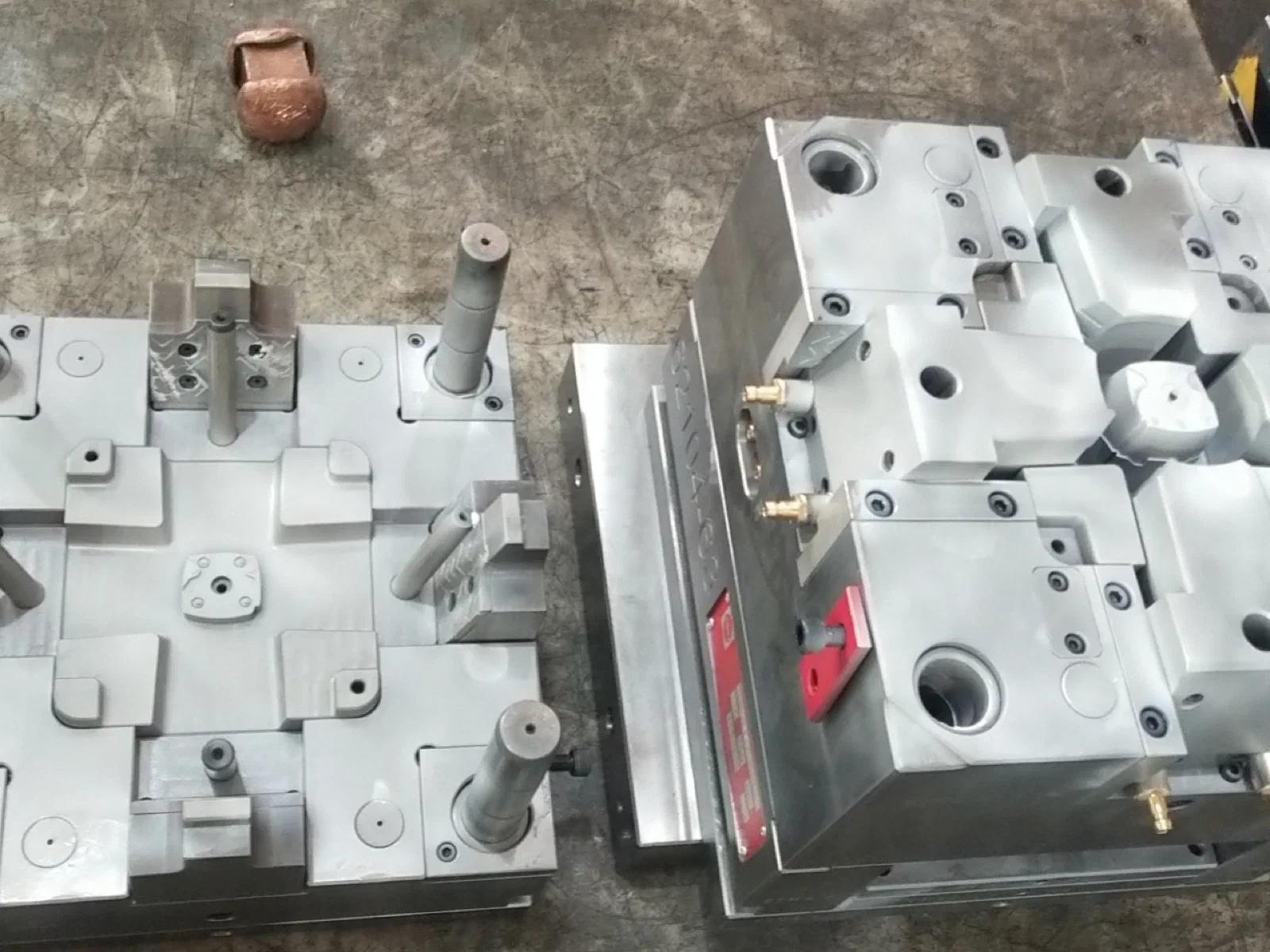
| Injection molding | The machine runs from a fixed setup; below a certain quantity the setup dominates the unit cost |
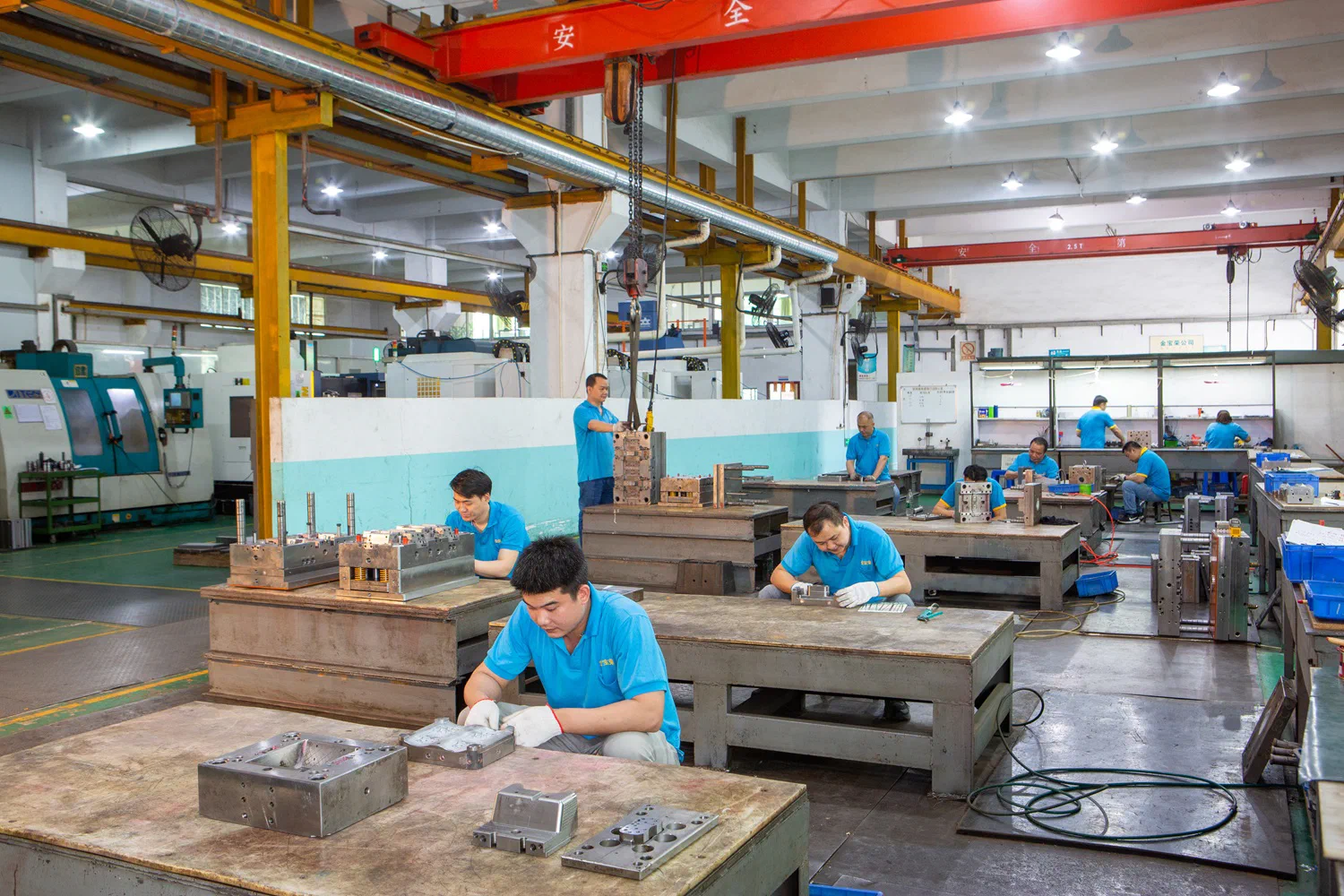
| Assembly line setup | Fixtures, work instructions, line balancing and training are one-time per run |
| Packaging and printing | Boxes have a print minimum, often 1,000–3,000 per design |
The MOQ you are quoted is usually the largest of these four, not an arbitrary number. That matters, because it tells you which one to negotiate.
What is normal, by route
| Route | Typical MOQ | What drives it |
|---|---|---|
| Private label, stock model | 100–500 per colour | Packaging printing, mostly |
| ODM, light customisation | 500–1,000 | Colour/finish batch, packaging |
| ODM, heavy customisation | 1,000–3,000 | New housing run, electronics batch |
| OEM / new device | 3,000–5,000 on the first production order | Amortising tooling and certification across units |
These are ranges, not quotes. They also move with the device: a device with a custom display or a special motor can carry a higher floor than a simple one.
The trap: MOQ per colour vs MOQ per model
This is where most first orders go wrong.
“MOQ 1,000” can mean:
- 1,000 units of one model, split across colours — a reasonable reading
- 1,000 units per colour — three colours is now 3,000 units
Ask which one is meant, in writing, before you plan your launch. A three-colour range is a normal marketing plan, and it is where a 1,000-piece MOQ quietly becomes a 3,000-piece commitment.
How to get a lower MOQ honestly
Every one of these is a real lever, and each has a price:
1. Accept a stock colour and stock packaging
The single largest reduction available. Colour batches have a floor; using a colour already running removes it. If your launch is a test, launch plain and add colour later.
2. Share the tooling cost
On a near-MOQ order, offer to pay a larger share of the tooling so the factory’s per-unit setup cost falls. This is usually cheaper than carrying inventory you cannot sell.
3. Take the component reel into stock
If the MOQ is set by a component reel, buy the full reel and let the factory hold the balance for your second order. You pay for the parts, not for finished units.
4. Combine SKUs in one production run
Two or three variants that share a housing can run together, each at a lower quantity. The floor is then on the total, not on each variant.
5. Schedule into an existing run
If the factory is already running your platform for another buyer, your smaller order can be added. This is opportunistic and not always available, but it is worth asking.
6. Accept a longer delivery window
A low-quantity order inserted into a slower slot costs the factory less. You pay in time rather than in money.
What a low MOQ actually costs you
Nobody reduces an MOQ out of kindness. If the number goes down, the cost goes somewhere:
- Higher unit price — the setup is spread over fewer units
- Longer lead time — small orders wait for a gap in the schedule
- Less consistent colour — small batches from a shared run may not match across reorders
- Weaker component terms — a small order gets the components the factory has, not the ones you specified
- Less attention — a 200-unit order is not where a factory puts its best line staff
None of these is fatal for a market test. All of them are bad for a product you are scaling.
What to put on the quotation
Ask for these as separate written numbers, not a single “MOQ”:
- MOQ per model
- MOQ per colour and per finish
- MOQ per packaging design
- Unit price at three quantity tiers — MOQ, 2×MOQ, 5×MOQ
- Whether MOQ can be met by mixing variants in one run
- Lead time at MOQ and at 5×MOQ
The price tier table is the most useful thing on the page: it shows you exactly what the MOQ is costing, and where the next price break sits.
How to plan a first order
A first order has two jobs: prove the product sells, and prove the supplier is reliable. Those pull in opposite directions on quantity.
A sequence that usually works:
- Samples — 2–5 units, paid like a customer. Proves the build.
- Pilot order at or near MOQ — proves the supplier’s production and your packaging.
- Reorder at 3–5× — proves repeatability, and gets you the better price tier.
The pilot order is not waste. It is the cheapest possible test of whether the second order will arrive correctly.
What a pilot order actually costs, side by side
Buyers often think a smaller first order saves money. It does not — it moves money from inventory into unit price. Two versions of the same device:
| 500 units | 3,000 units | |
|---|---|---|
| Unit price | USD 26 | USD 16 |
| Total goods | 13,000 | 48,000 |
| Setup absorbed | Yes, high per unit | Spread thin |
| Colour choice | Stock only | Custom |
| Lead time | 6–8 weeks | 4–6 weeks |
| Cash tied up | Low | High |
| Risk if the product does not sell | Low | High |
The 500-unit order costs more per unit and is cheaper as a decision. That is the point of a pilot: you are buying information, not efficiency.
The mistake is ordering 500 units and negotiating as if you ordered 3,000 — asking for a custom colour, a custom box and a special motor on a small order. That combination is what makes a factory quote a price that looks unreasonable, because it is quoting a small batch with large-batch requirements.
Pick one of the two modes and be explicit about it:
- Pilot mode — small quantity, accept stock options, pay a higher unit price, buy information.
- Volume mode — commit to the tier, get the price and the customisation, carry the inventory.
Trying to be in both modes at once is the most common reason a first quotation comes back high and a relationship starts badly.
How we set MOQ
We quote the MOQ that the component and mould floor actually requires, and tell you which of the four costs is setting it. If a lower quantity is possible through one of the levers above, we say which lever and what it costs — so the number you get is one you can plan around rather than one you have to renegotiate.