Beauty Device Certification: What Applies, and Who Pays
Which certificates a beauty device needs by market, what each one costs and takes, who is legally responsible, and why a certificate you did not scope is worth nothing.
October 31, 2026 · 5 min read
The first thing to understand
Certification is not a product feature. It is a legal obligation that sits with whoever places the device on the market — the brand or the importer, not the factory.
A factory can hold certificates for its own models. It cannot transfer the legal responsibility for your product, and it cannot make a certificate valid for a device it did not build to that certificate’s specification.
This is why the question “do you have CE?” is the wrong question, and why the answer “yes” means almost nothing.
The right questions are: which standard, which model, which laboratory, and does it cover the device I am actually buying?
What applies, by market
| Market | Mark / scheme | Applies to | Legal responsible party |
|---|---|---|---|
| EU | CE — EMC, LVD where applicable, RoHS, RED if radio | Almost all mains/battery beauty devices | The EU importer or authorised representative |
| UK | UKCA — mirrors CE | Same | The UK importer |
| USA | FCC (Part 15 / Part 18) | Anything with a digital circuit or radio | The importer of record |
| USA | FDA classification | Devices making therapeutic claims | The brand |
| Canada | ISED, plus provincial | Radio and electrical | The importer |
| Japan | PSE (electrical), MIC (radio), 薬機法 if claims | Mains-powered and radio devices | The importer (輸入事業者) |
| Korea | KC mark | Electrical, battery, radio | The importer |
| China | CCC where applicable | Certain electrical categories | Domestic seller |
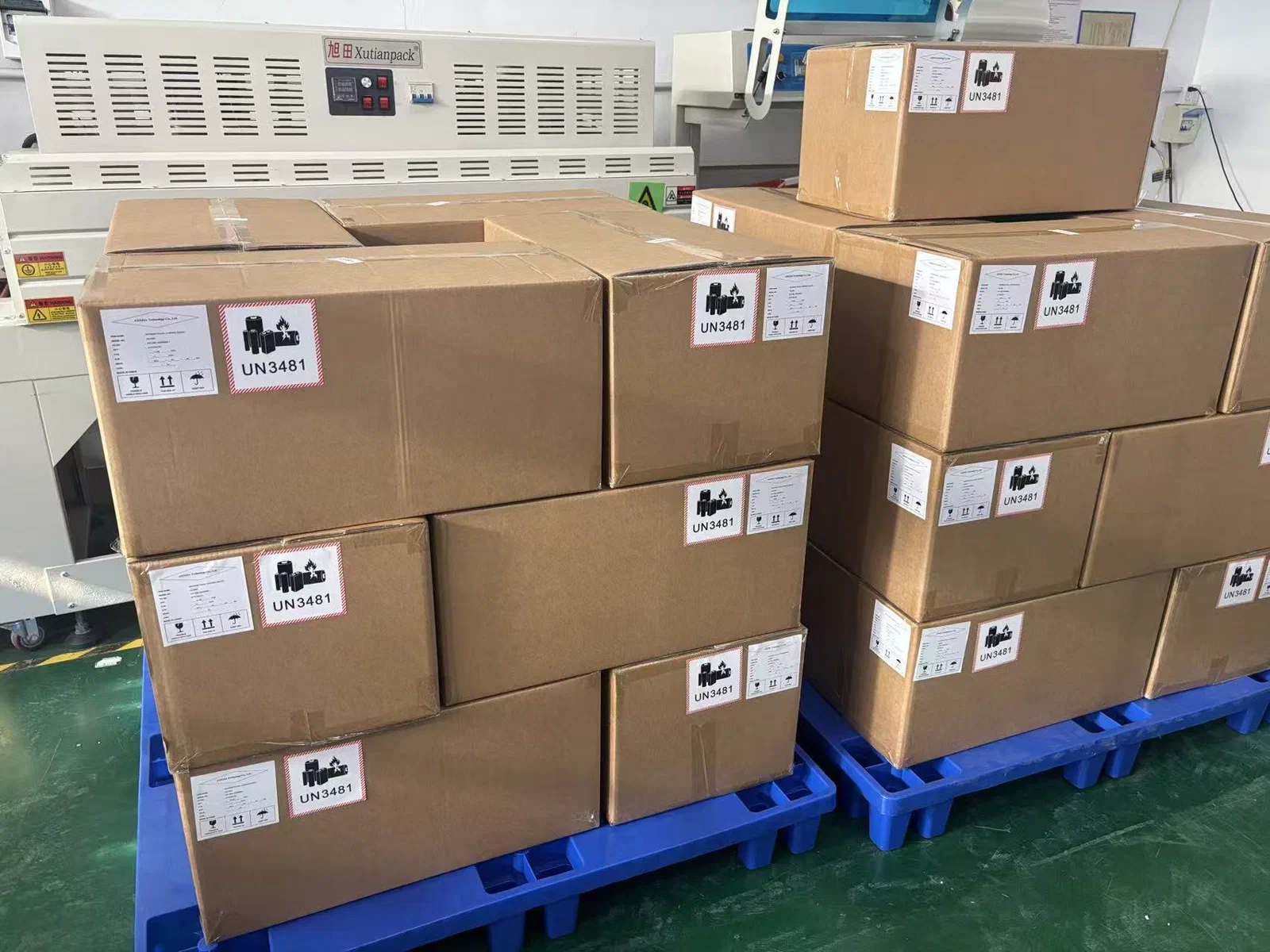
| Global | UN38.3 + MSDS for lithium batteries | Any shipped battery | The shipper |
Two of these catch people out constantly:
- Japan. A battery device needs PSE for the charger and, if it has Bluetooth, MIC radio certification. A device that makes a physiological claim can fall under 薬機法, which is a different and much longer process.
- Korea. KC certification is per model and requires a Korean importer to hold it. A CE certificate does not shorten the KC process.
What each one costs and takes
Indicative ranges for a single ordinary handheld device, one model:
| Test | Typical cost (USD) | Typical duration |
|---|---|---|
| EU EMC (EN 55014 / EN 55032) | 1,000–2,500 | 3–5 weeks |
| EU LVD, where applicable | 800–1,800 | 2–4 weeks |
| RoHS | 300–800 | 1–2 weeks |
| RED, if Bluetooth or RF | 2,000–5,000 | 4–8 weeks |
| FCC SDoC | 500–1,200 | 2–3 weeks |
| FCC ID, if radio | 2,000–4,500 | 4–6 weeks |
| Japan PSE (battery charger) | 1,000–2,500 | 3–6 weeks |
| Japan MIC (Bluetooth) | 1,500–3,000 | 4–8 weeks |
| Korea KC | 1,500–3,500 | 4–8 weeks |
| UN38.3 battery | 500–1,200 | 2–3 weeks |
Add the cost of failed tests. A first-round EMC failure is common and each retest is billed.
A two-market launch of a simple device, with a battery and no radio, usually lands at USD 3,000–8,000. Add a radio and a third market and it moves to USD 10,000–20,000.
Why a certificate covers one model
A certificate is issued for a specific configuration that was tested: this board, this battery, this motor, this housing with this shielding. Change any of those and the tested configuration no longer exists.
Practical consequences:
- A certificate for the 3.7 V 800 mAh version does not cover the 1,200 mAh version.
- A different LED supplier with a different driver can change the EMC result.
- Adding Bluetooth means a new radio test, not an amendment.
- Your own housing shape can change shielding and thermal behaviour, which is enough to require re-testing.
“Our platform is already certified” is the most misleading sentence in the category. Ask: certified as which model number, and does that model number appear on my quotation?
Per model, per market, per variant
Budget on three multipliers:
- Markets. Each market is a separate application, usually with a separate local representative.
- Models. Each distinct configuration. A colour change is normally fine; a battery or motor change is not.
- Variants. Different plugs, different voltages, different accessory sets can each count.
A brand launching three variants into three markets is looking at nine applications, not one.
Who pays, and how it is usually arranged
There are three common structures, and they are all legitimate — what matters is that you know which one you are in:
- Factory holds the certificates, you sell under them. Cheapest. Only works if the device is genuinely the tested model and the factory is willing to be named. You are still legally the responsible party in most markets.
- Factory arranges, you pay, certificate is in your name. Normal for OEM. You get a document you can use and keep if you change suppliers.
- You arrange directly with a laboratory. Most control, most work. Sensible once you have an in-house compliance person.
For a first product, structure 2 is usually the right balance. Insist that the certificate names your model and that you receive the full report, not just the certificate.
What a usable certificate package contains
Ask for all six. A supplier who can produce all six is genuinely organised; a supplier who can produce the certificate page only has a PDF.
- The certificate with a number and a validity date
- The full test report — not the summary
- The standard and version tested against
- The model designations covered, matching your quotation
- The laboratory name and accreditation number
- The declaration of conformity, signed, naming the responsible party
The trap of the certificate you cannot use
Three situations where money is spent and nothing is gained:
- A certificate for a model you are not buying. Common when a supplier shows a family certificate. It does not cover your build.
- A certificate with no report. Useless if a customs officer or a marketplace asks for the underlying test data.
- A certificate bought on your behalf but held by the factory. You paid for it, you cannot take it, and your next supplier starts over.
Start the certification conversation before tooling
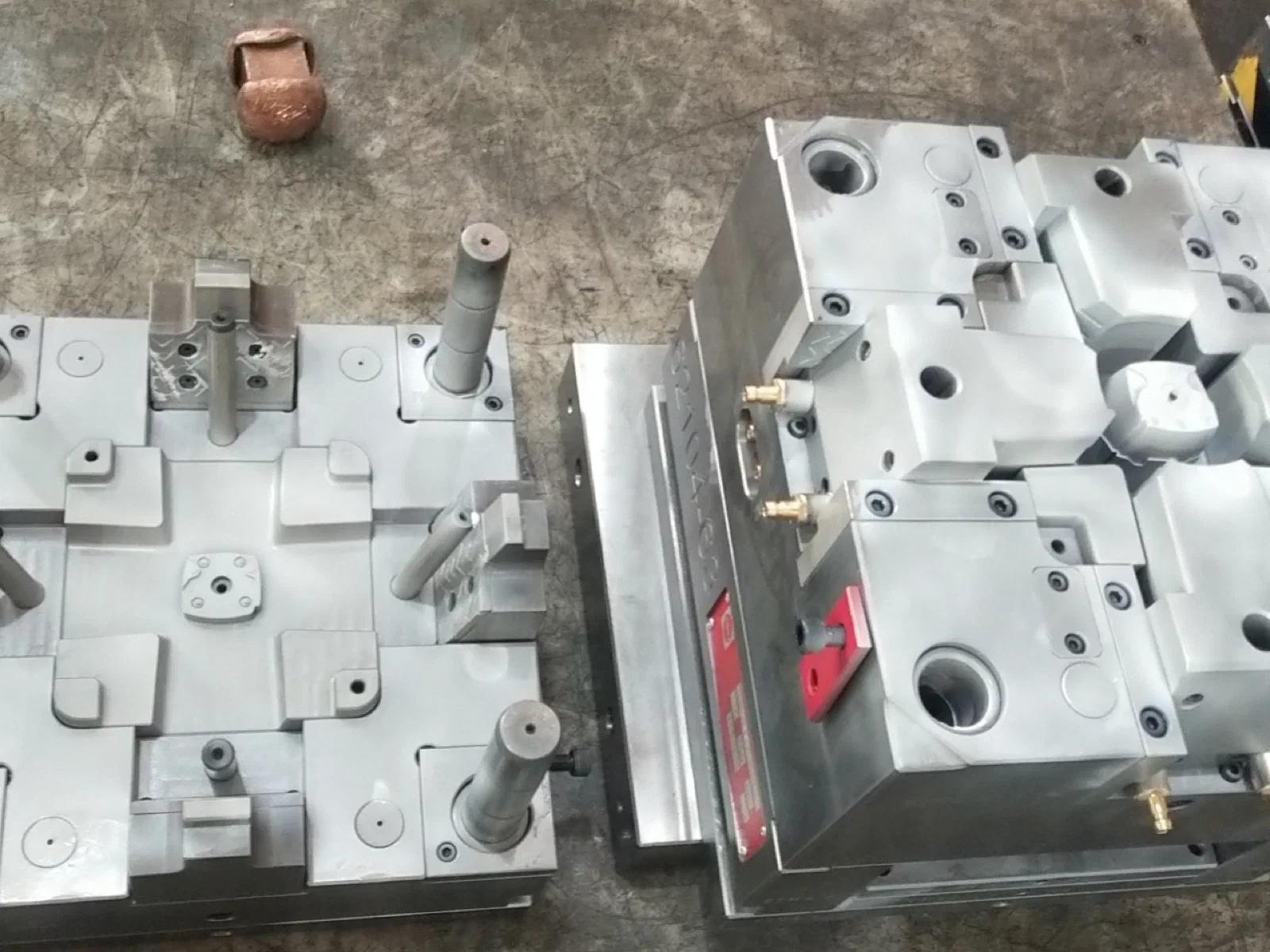
The most expensive certification mistake is a sequencing one. A device is designed, tooled, produced — and then tested. If it fails, the fix may be a different driver, a different shielding arrangement, or a different motor. All three are cheap on paper and expensive in steel.
Ask for a pre-assessment before tooling release. It is a short review of the schematic, the layout and the intended standards, and it usually costs nothing or very little. It catches the failures that would otherwise surface after the mould is cut.
The same applies to your target markets. Knowing on day one that Japan needs PSE plus MIC, and that Korea needs a Korean importer to hold KC, changes the design and the schedule. Discovering it three months later changes only the schedule.
How we handle certification
We quote certification as a separate line, per market and per model, and we say which laboratory and which standard before you commit. The report is delivered to you with the model designation that appears on your quotation. Where a device needs a scheme we do not manage in-house — Japan MIC, for example — we say so and introduce the laboratory rather than absorbing it silently.