ODM Development
You bring a market requirement. We start from one of our 26 existing platforms, adapt the housing, electronics and firmware, and hand you a product you can brand.
MOQ 500 pcs · Sample lead time 3–7 days · Lead time 25–35 days
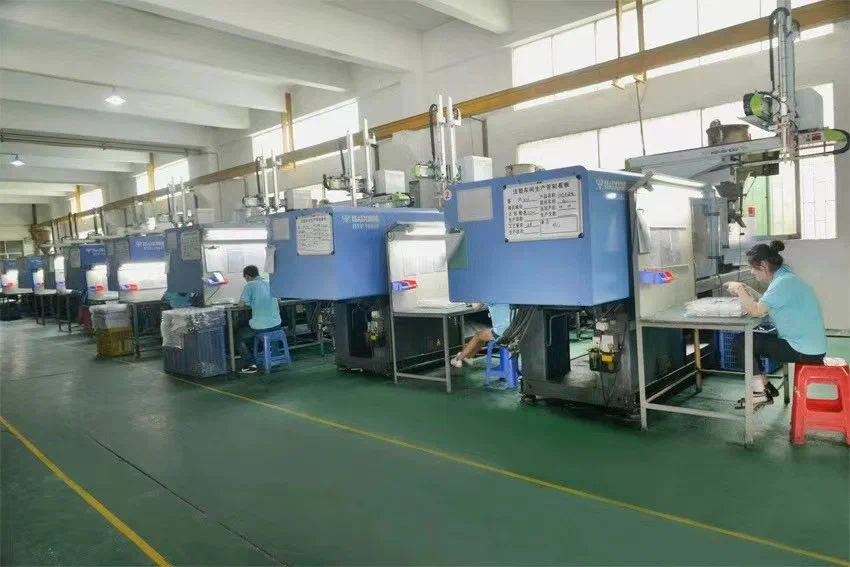
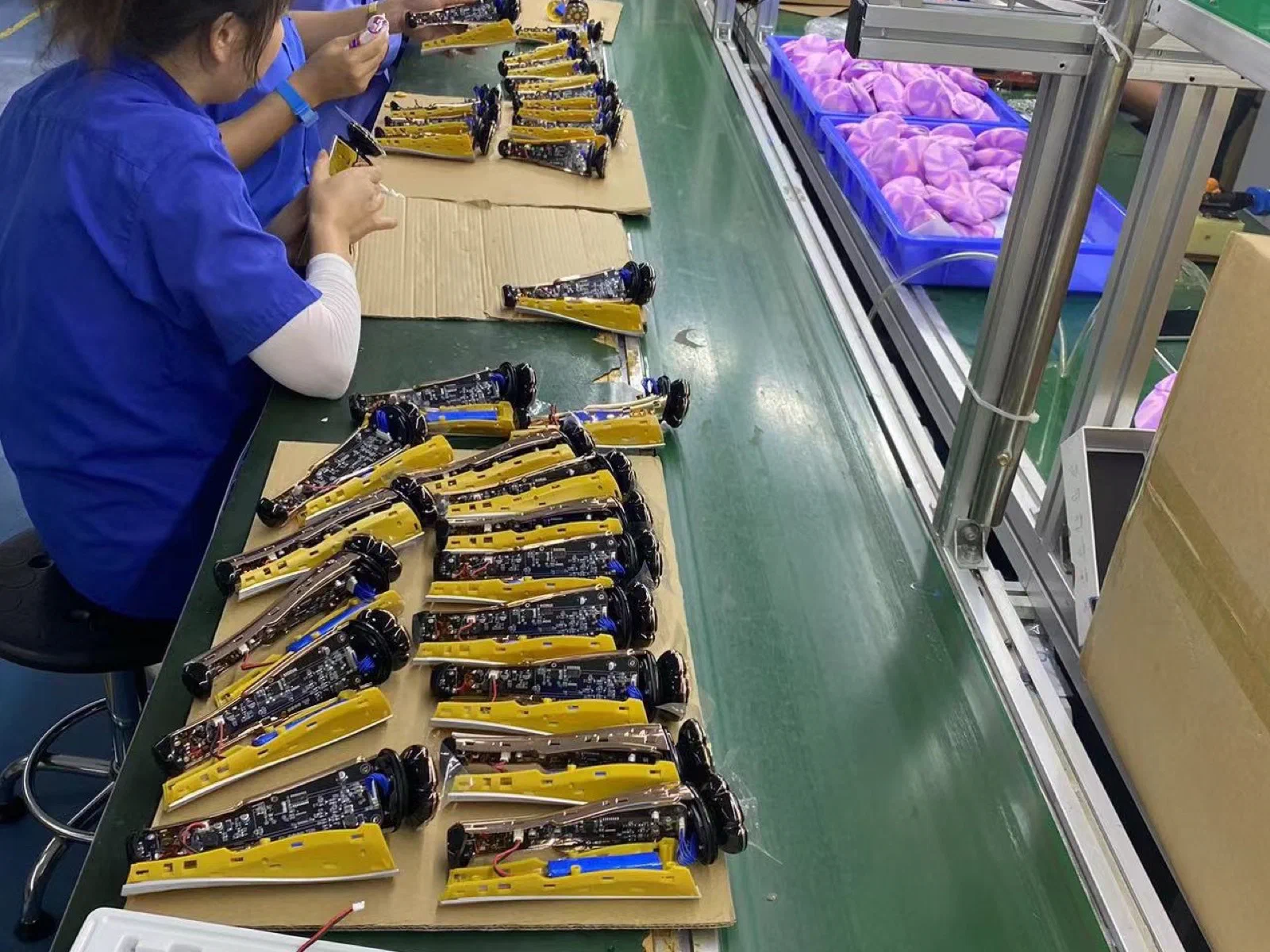
ODM starts from a platform that already exists: tooled, in production, and with its reliability behaviour known. That is what makes the timeline short. The engineering work moves from inventing a mechanism to adapting the parts a buyer actually competes on — the housing, the finish, the packaging and the firmware behaviour.
What a platform buys you
A new mechanism carries a full reliability programme, a new certification cycle and a set of failures nobody has seen yet. A platform carries the opposite: a known failure mode list, a tested battery and charging design, and moulds that already produce good parts. The risk you take is market risk, not engineering risk, which is the right way round for a brand entering a category.
What still has to be re-tested
A new housing is not cosmetic. It changes the thermal path, the acoustic cavity, the antenna environment if there is a radio, and the EMC behaviour of the seams. We re-run the relevant tests on the adapted product rather than inheriting the certificate of the original — because the certificate you publish has to describe the product you ship.
Where the cost sits
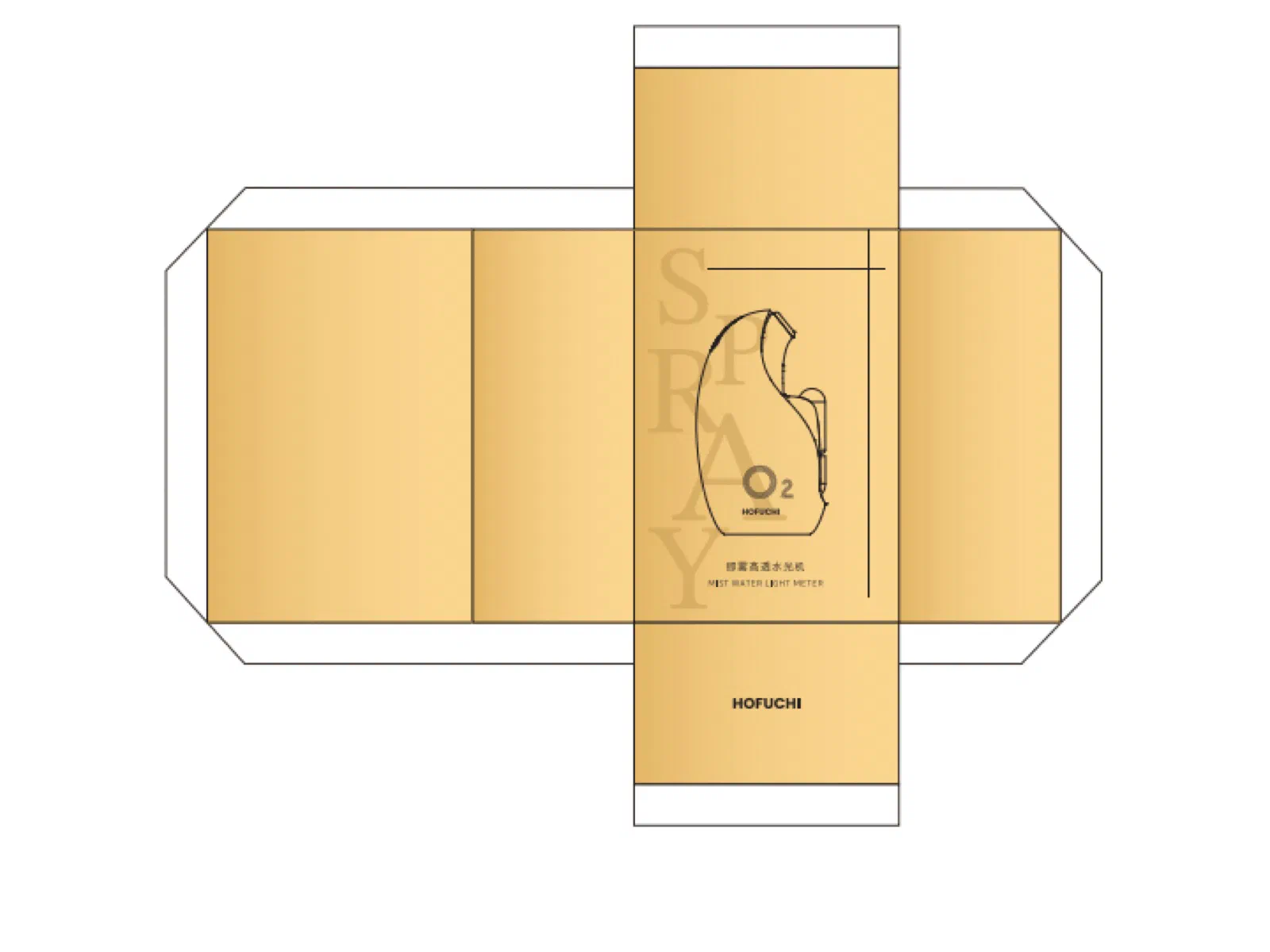
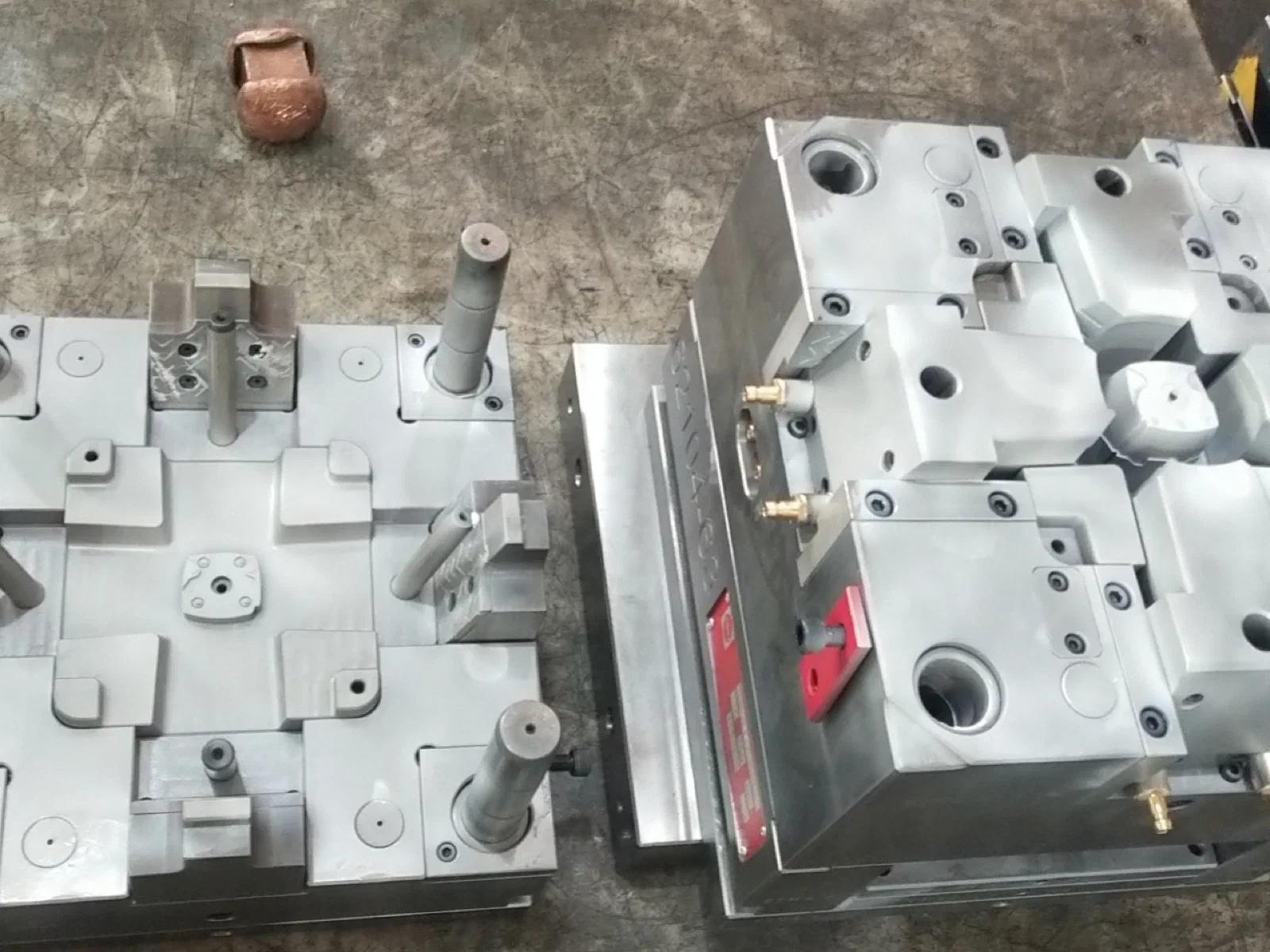
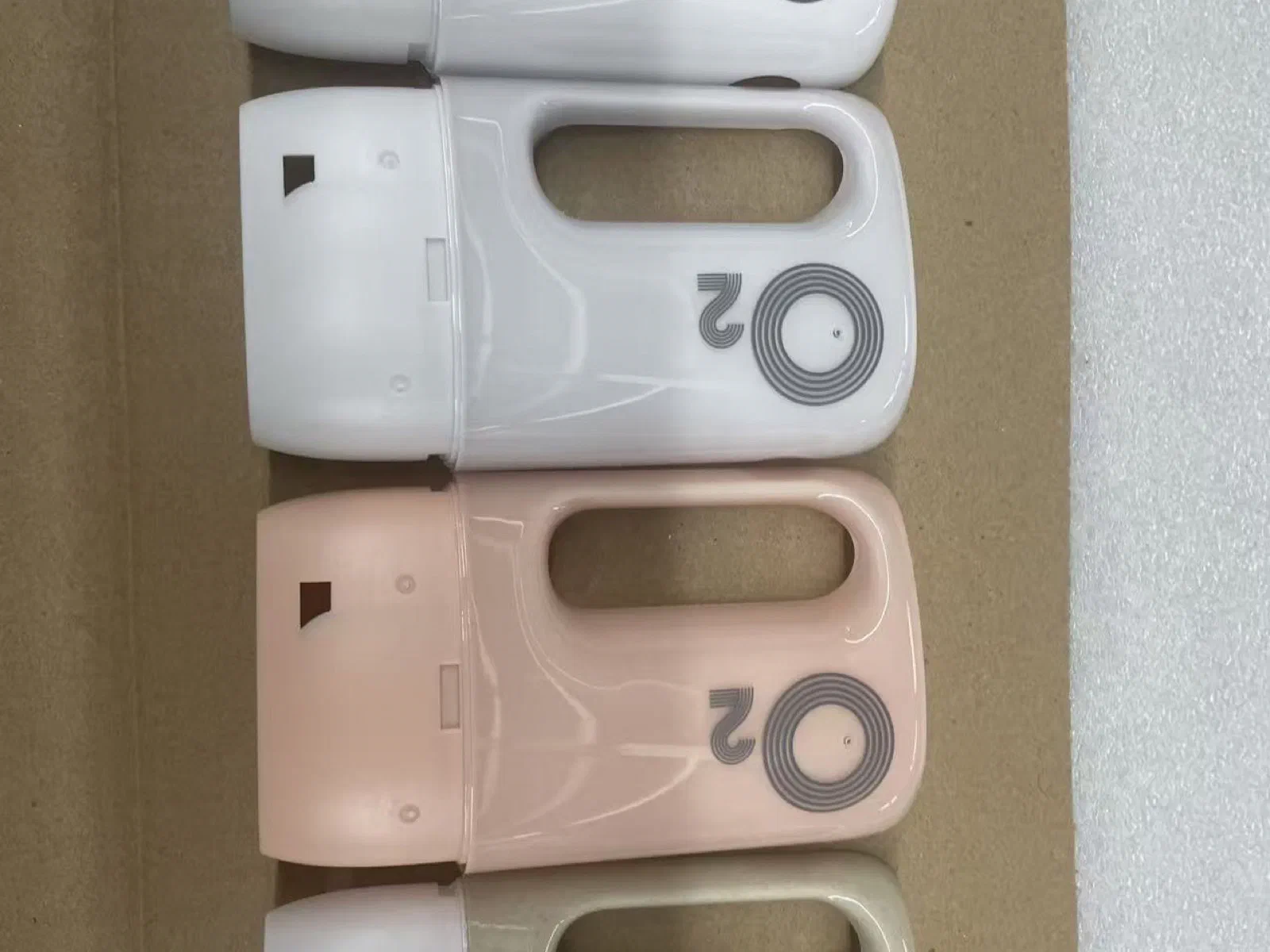
The housing tool and the packaging are the two line items that move most. A housing that reuses the existing mold frame and changes only the surface finish is fast; a new silhouette is a new tool. We quote both so the choice is visible before it is made.
At a glance
- Starting point
- 26 existing models across 9 categories, already tooled and in production
- Typical changes
- Housing and CMF, packaging, logo, firmware behaviour, accessory set
- What stays fixed
- The internal mechanism, the PCBA architecture and the certified safety design
- Time to market
- 7-day samples on an unchanged platform; a new housing adds tooling time
- Why it is faster
- No new mechanism means no new reliability programme and no new certification risk
What is included
How a project runs
- 01 Platform shortlist and cost comparison
- 02 Housing and CMF direction
- 03 Sample on the adapted platform
- 04 Packaging and firmware adaptation
- 05 Certification confirmation and production
Common questions
How much of an existing platform can be changed?
The housing, colourway, finish, packaging, logo, accessory set and firmware behaviour. The internal mechanism and the PCBA architecture stay, because changing them turns an ODM project into a custom development with a new reliability and certification programme.
Do I get exclusivity on a platform?
Exclusivity is a commercial term, not a technical one, and it is priced. A housing that is visibly different and a mold owned by you is the practical form of exclusivity.
Is the product still certified after the housing changes?
A housing change can affect EMC and thermal behaviour, so we re-test rather than assume. The certificate numbers you publish must match the product you ship.
Other ways to work with us
ODM Development
Tell us the product, target market and volume. You get feasibility and a cost range in writing within 24 business hours.