Testing & Quality Control
Incoming, in-process and final inspection, reliability testing and test reports.
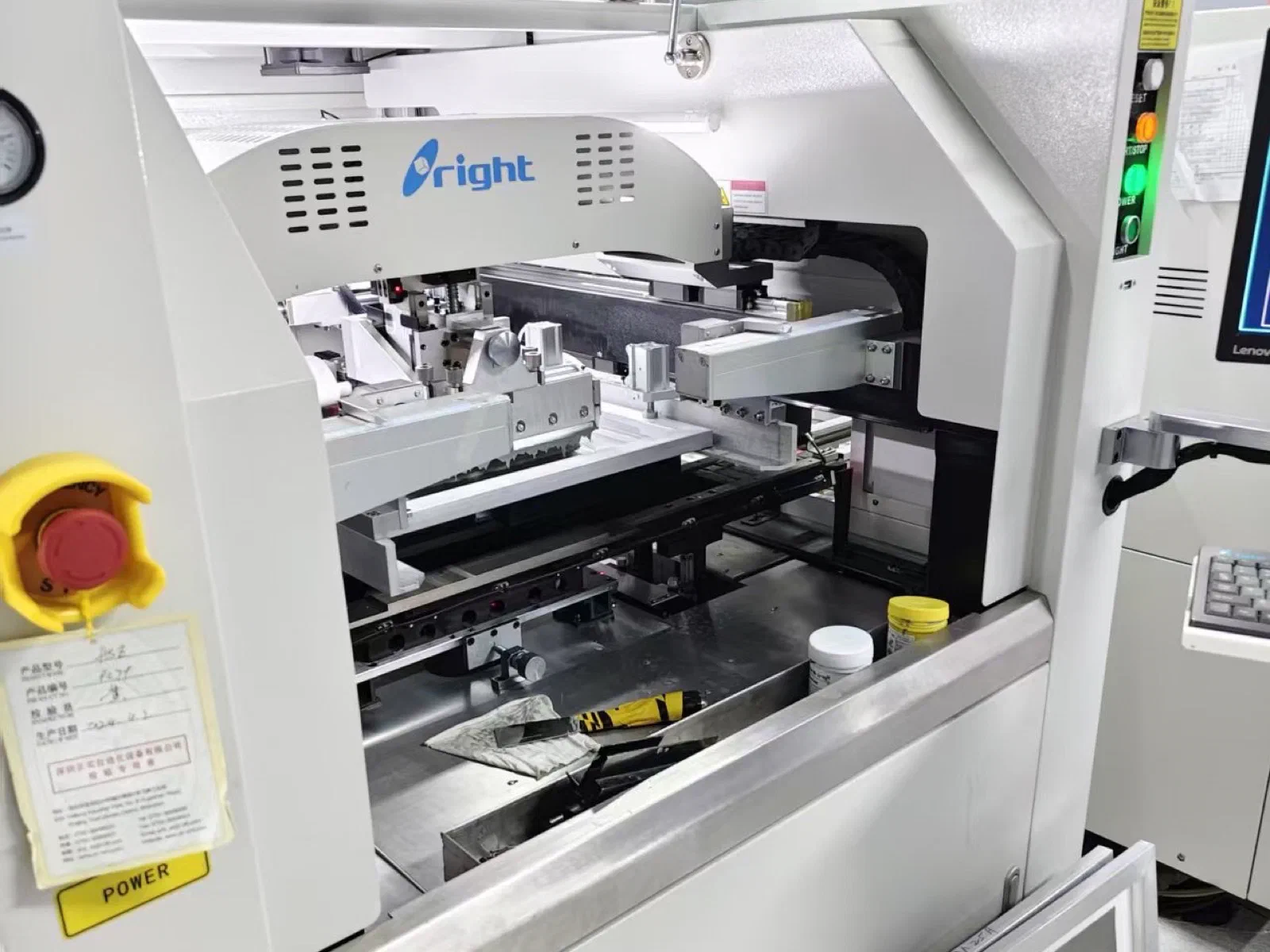
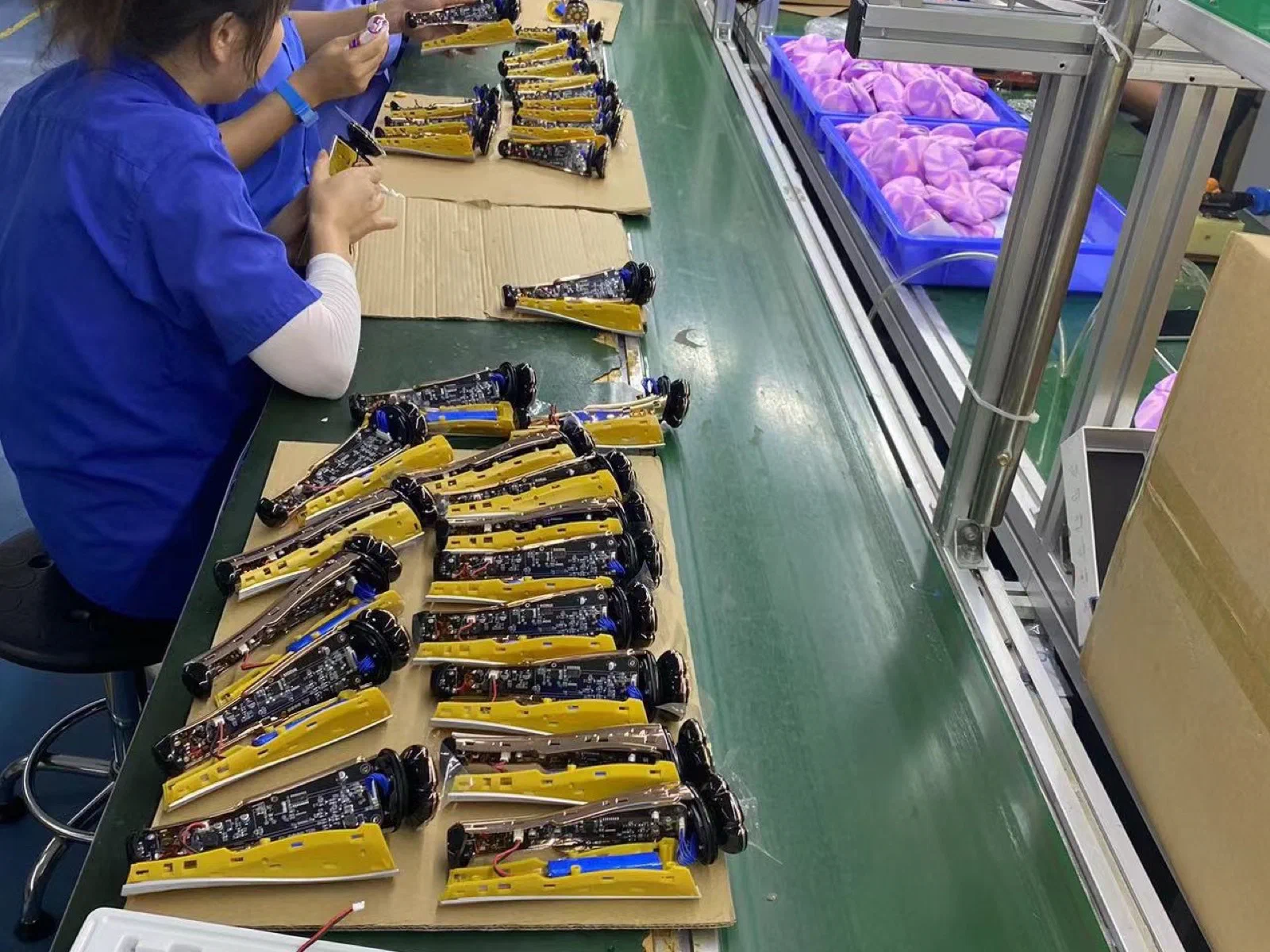
Quality control is split into three gates, and each gate has a recorded check and a defined reaction when it fails. A gate without a reaction is a form, not a control.
The three gates
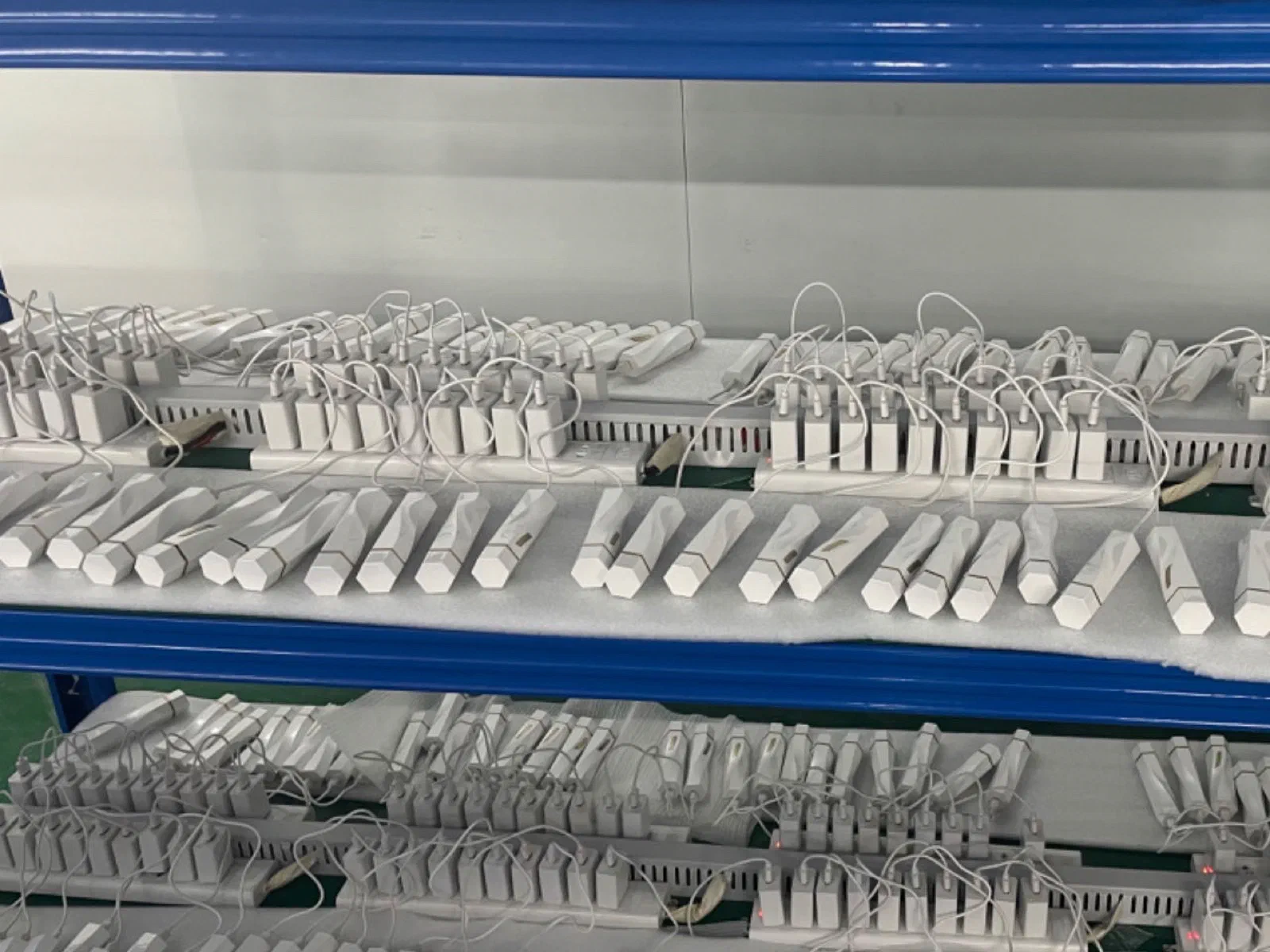
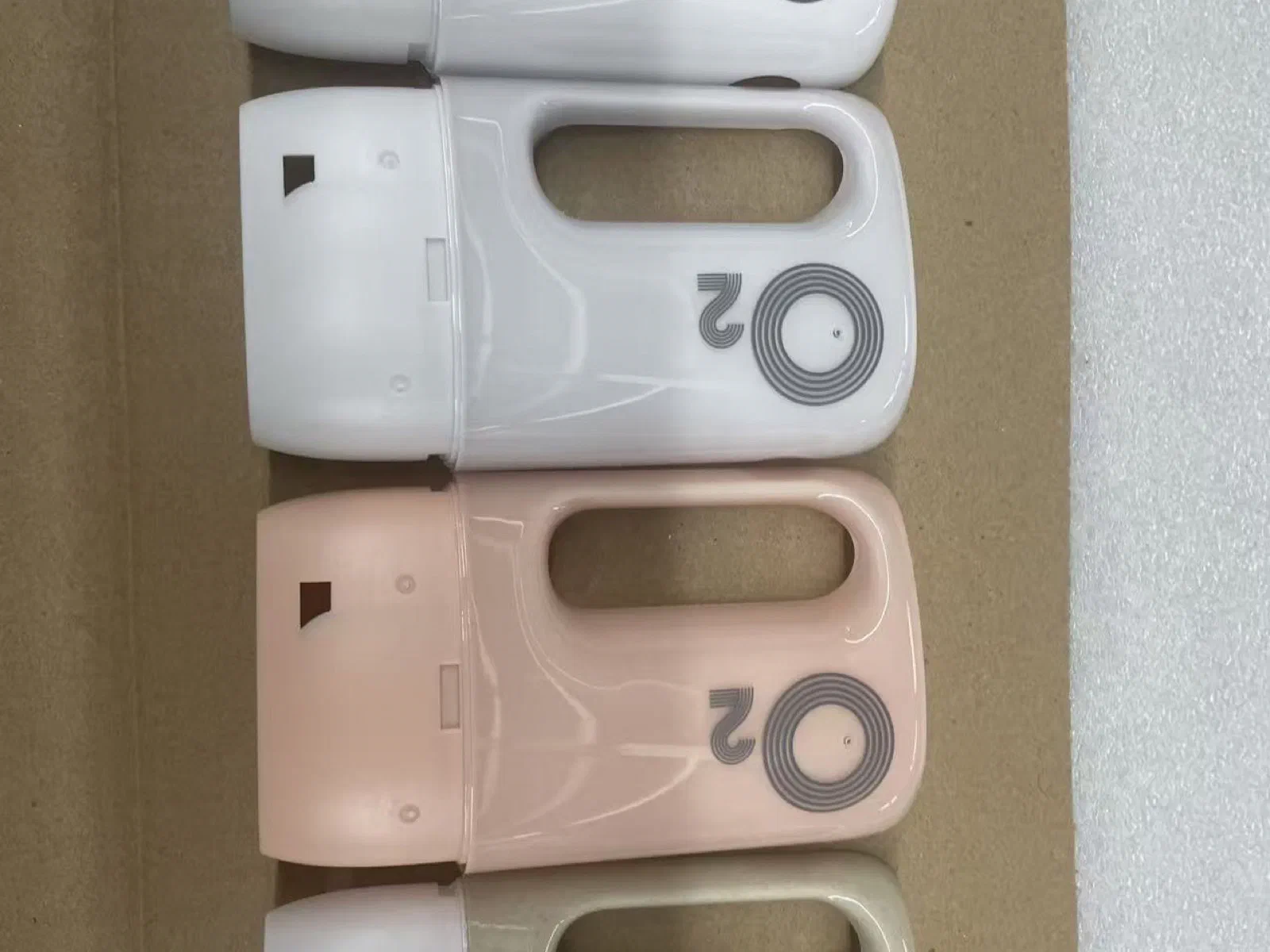
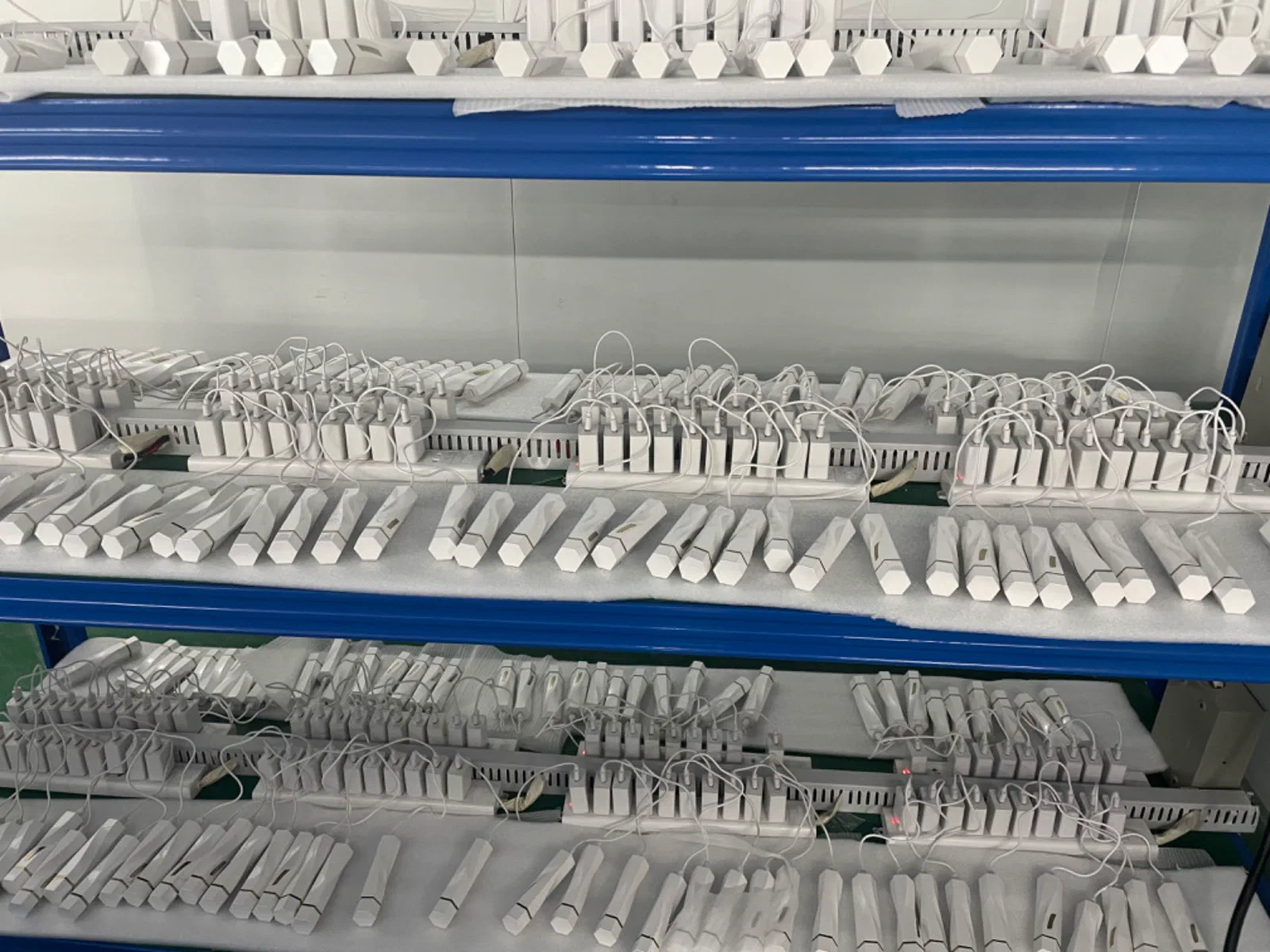
Incoming inspection covers the components where a bad lot cannot be caught later: battery cells, motors, adapters and the PCBA. In-process inspection covers the build steps where a fault is created and would be hidden by the next operation. Final inspection runs on the finished unit after ageing, against the same functional limits used on the line.
Reliability, per model
Reliability testing follows the model and the market: a 1.2 m drop test (report ZKT-2406036126S), a stacking test (ZKT-2405235718S), particle size analysis for infusion devices (CTL24071909-1), and life-cycle testing where a mechanism moves. Where certification requires a third-party laboratory, the report is issued by that laboratory and the number is published on the certification page rather than summarised in marketing language.
What happens when a lot fails
A failed lot is quarantined, the component lot is traced back through incoming records, and the decision — rework, return or scrap — is written down with the reason. The next shipment of that model carries the change, and the buyer is told what changed.
At a glance
- System
- ISO 9001:2015, certificate 609-24-QZ-02758-RO-S, valid to 7 March 2027
- QC team
- 10 QC specialists across IQC, in-process and final inspection
- Gates
- Three recorded checkpoints — incoming material, in-process and final — each with a defined reaction
- Reliability tests
- 1.2 m drop, stacking, particle size analysis and life-cycle, depending on the model
- Reports
- Report numbers published on the certification page, not summarised
What you get