How a Beauty Device Factory Actually Runs QC
What a QC system looks like inside a beauty device plant: incoming inspection, in-process checks, aging, final inspection and the reports a buyer can ask for.
August 12, 2026 · 5 min read
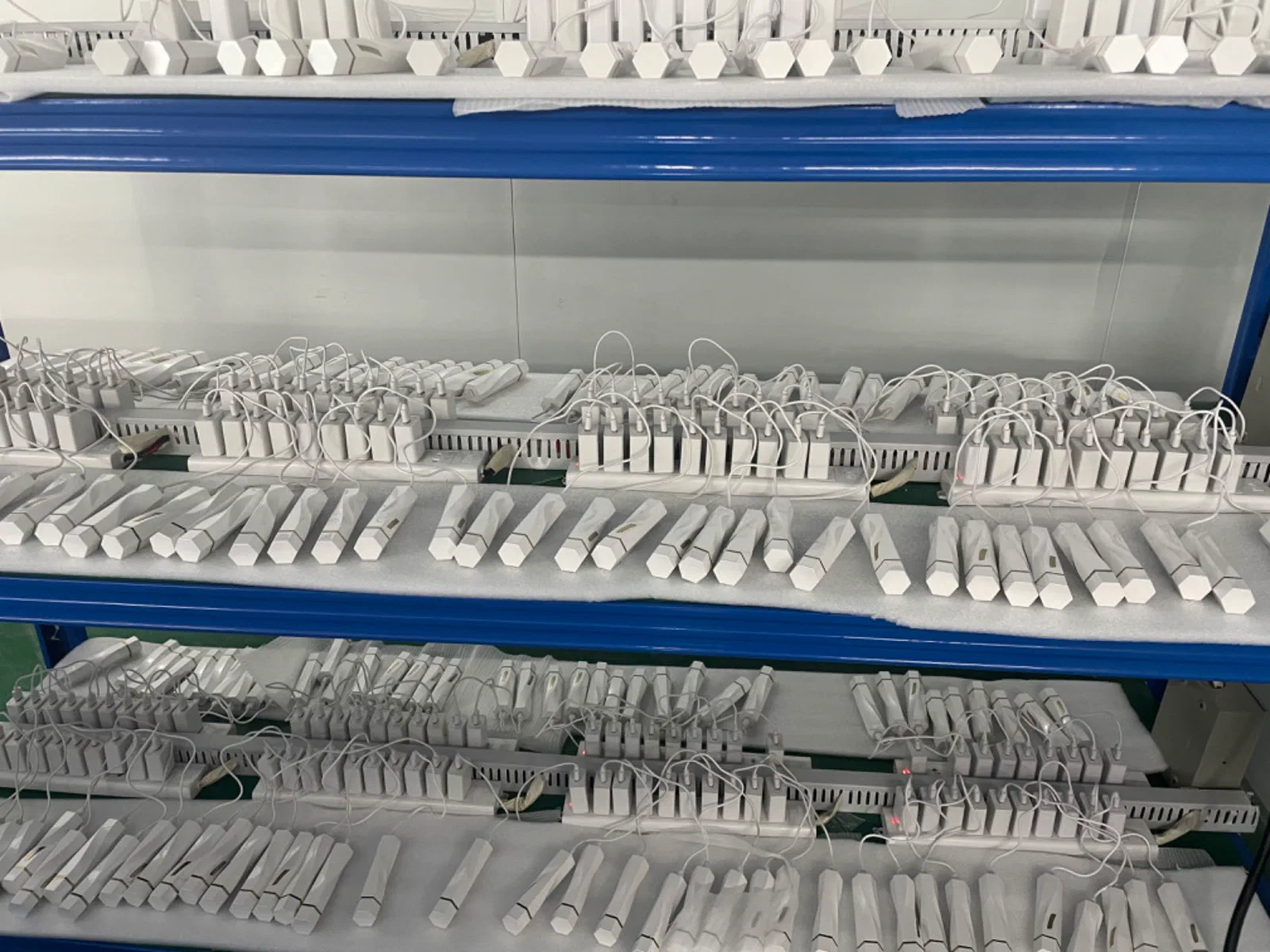
Most factory audits start with the same question: “what is your defect rate?” It is a fair question and a nearly useless one, because the answer depends entirely on what counts as a defect, who measured it, and at how many points in the process.
A better question is: where in the process can a defective unit be caught, and what happens when it is? That is what a QC system actually is — a set of gates with documented reactions, not a certificate on the wall.
This article describes how our plant runs quality control, and what you should ask for when you audit a supplier.
The four gates every batch passes
| Gate | When | What is checked | What happens on failure |
|---|---|---|---|
| IQC — incoming | On receipt | Components and materials against specification | Batch quarantined, supplier rejected, no line entry |
| IPQC — in-process | During assembly, per station | Fit, function, appearance at each boundary | Station stopped, root cause recorded |
| Aging | After assembly, before packing | Powered run over a fixed period | Unit reworked or scrapped; failure mode logged |
| OQC — final | Before packing | Full functional test against the approved sample | Whole lot held pending review |
The gates matter less than the reaction. A factory that inspects but ships anyway has inspection, not quality control.
Why aging is the gate buyers underestimate
Aging means running the finished unit for a fixed period before it ships. It sounds like a detail. In practice it is the only gate that catches the failures which will otherwise appear in your customer’s hands — the ones caused by a marginal solder joint, a slightly out-of-spec battery, or a connector that works when cold.
Those faults rarely show up on a first power-on test. They appear after twenty minutes of running, or after a thermal cycle. If a supplier’s process goes straight from assembly to packing, every intermittent fault is transferred to your return rate.
Ask a supplier how long their aging run is, and whether units that fail are logged by failure mode. A vague answer here is more informative than any defect-rate claim.
The documents you can ask for
A serious supplier can produce, on request:
- Incoming inspection records for the components in your bill of materials
- In-process check sheets per station, signed per batch
- Aging logs with duration and failure notes
- Final inspection reports with the sampling plan used
- Test reports from third-party laboratories for the models they cover
The last one deserves emphasis. A CE or EMC report covers the specific model tested, not the family. When you ask for certification, ask for the report and read which model number is on it. We publish certificate numbers and the models they cover on our certifications page for exactly this reason.
What to check during an audit
Four things are worth more than a tour of the showroom:
- Ask to see a failing batch, not a passing one. How the factory handles a non-conformance tells you more than a clean line.
- Follow one unit through every station. If the paperwork does not travel with the unit, the records are reconstructed afterwards.
- Ask who signs off the OQC report. If the answer is “the production manager”, the separation between production and quality is nominal.
- Ask what the sampling plan is at final inspection, and whether it is agreed per order or assumed.
None of these require you to be an engineer. They require you to notice when an answer becomes vague.
Where QC systems usually fail
Three patterns appear repeatedly across the industry, and they are worth watching for:
Inspection exists, authority does not. The QC team records defects but cannot stop a shipment. Numbers get reported, nothing gets held.
The standard is the sample, not the drawing. If final inspection compares units to the “golden sample” in the office rather than to the approved drawing and specification, drift is invisible — the sample drifts with the production.
Certification is treated as a purchase, not a process. Buying a report for one model and implying it covers the range is the most common compliance problem we see in this category. It is also the one most likely to be discovered by a distributor’s compliance team.
How this connects to your order
Quality control is not a department you visit; it is the reason a delivery date can be a commitment rather than an estimate. Our testing and quality control page describes the process in more detail, and the quality management page sets out the gates and the records kept per batch.
If you are evaluating suppliers, ask each one the four audit questions above and compare the specificity of the answers. It is a better predictor than price.
How the sampling plan gets decided
Final inspection is a sample, not a census. How that sample is chosen changes what the result means, and it is worth understanding before you accept a report.
Three approaches are common:
- Fixed percentage — inspect 5% or 10% of the lot. Simple, and wrong in both directions: too little on a small lot, too much on a large one.
- AQL tables — accept on a defined quality level with a defined sample size. Standard in consumer goods, and what a serious buyer usually asks for.
- 100% functional test — every unit powered and checked. Common for electronics, expensive for assembly-heavy products, and still not a substitute for aging.
The question to ask is not “do you inspect” but “what is the sample size and acceptance number for this order, and is it written on the quotation?” If it is not written, it will be decided again after the first batch, by whoever is under the most schedule pressure.
There is also a cost argument for getting this right. Inspecting more costs money per batch; discovering a defect after shipping costs a great deal more, particularly for a brand that has to handle returns in a foreign market. The right sampling plan is the one that reflects the cost of the failure, not a round number.
Want the QC documentation for a specific model? Request a quote and tell us which model and which market — we will send the reports that apply to it, including the ones we cannot publish here.